Why Cornwall Stole My Heart (And Why It Will Steal Yours Too)
21 September 2026
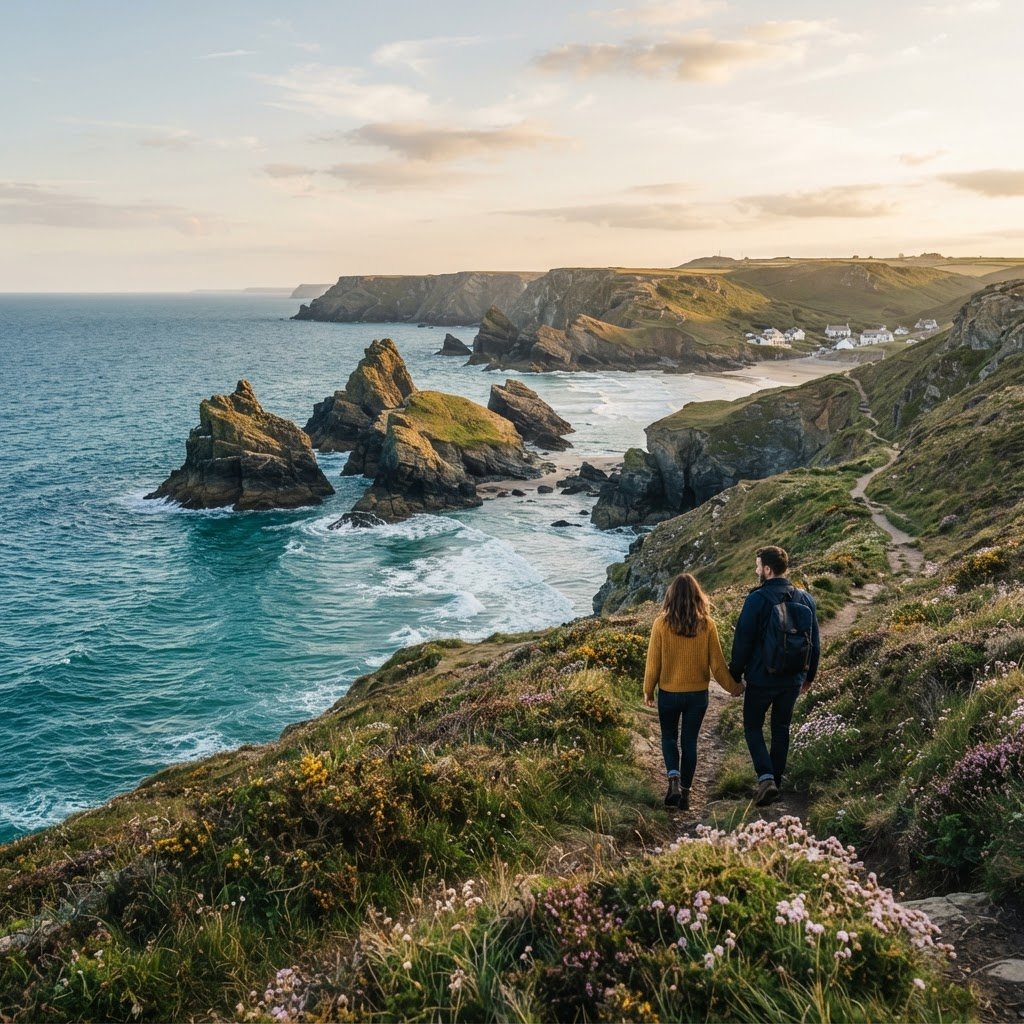
Forget the long-haul flights; I’ve found that my soul truly belongs in the rugged, salt-sprayed corners of Cornwall. Here is why this corner of the UK is my forever coastal escape.
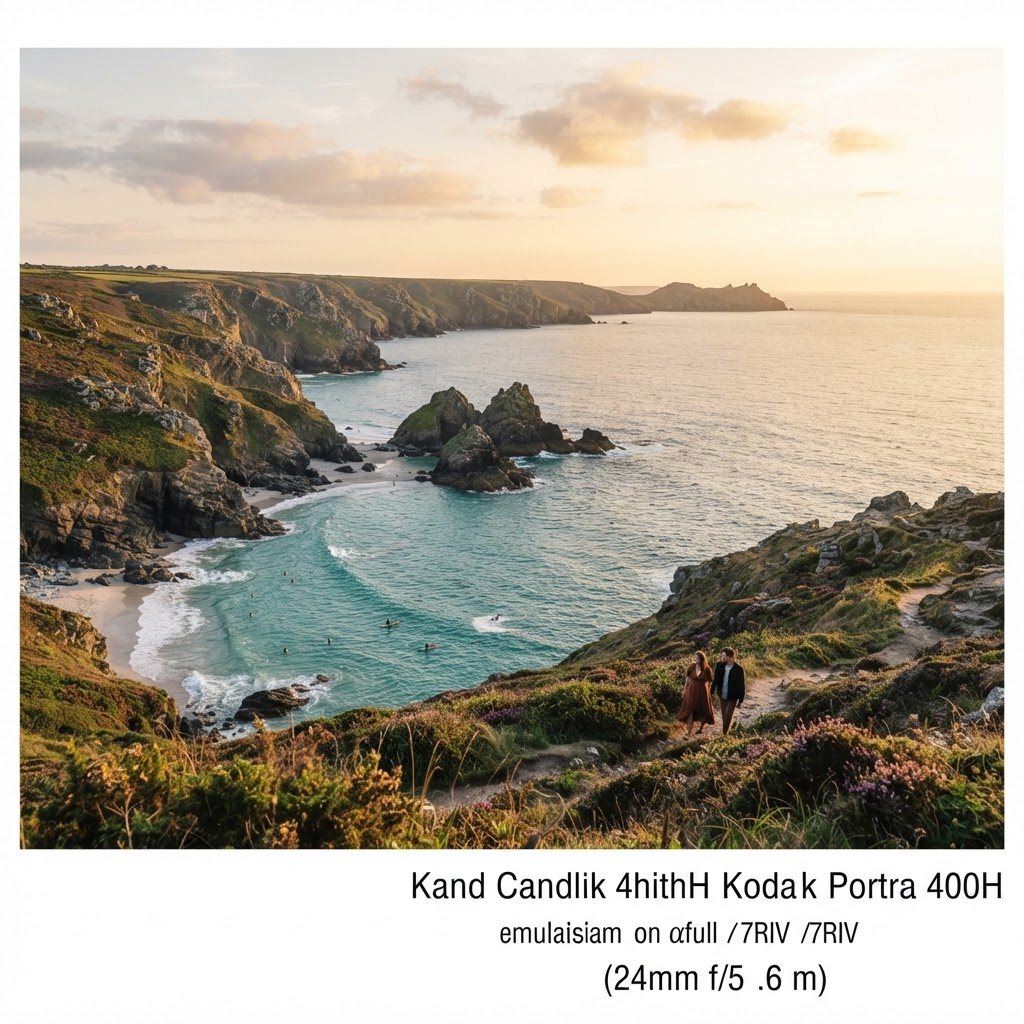
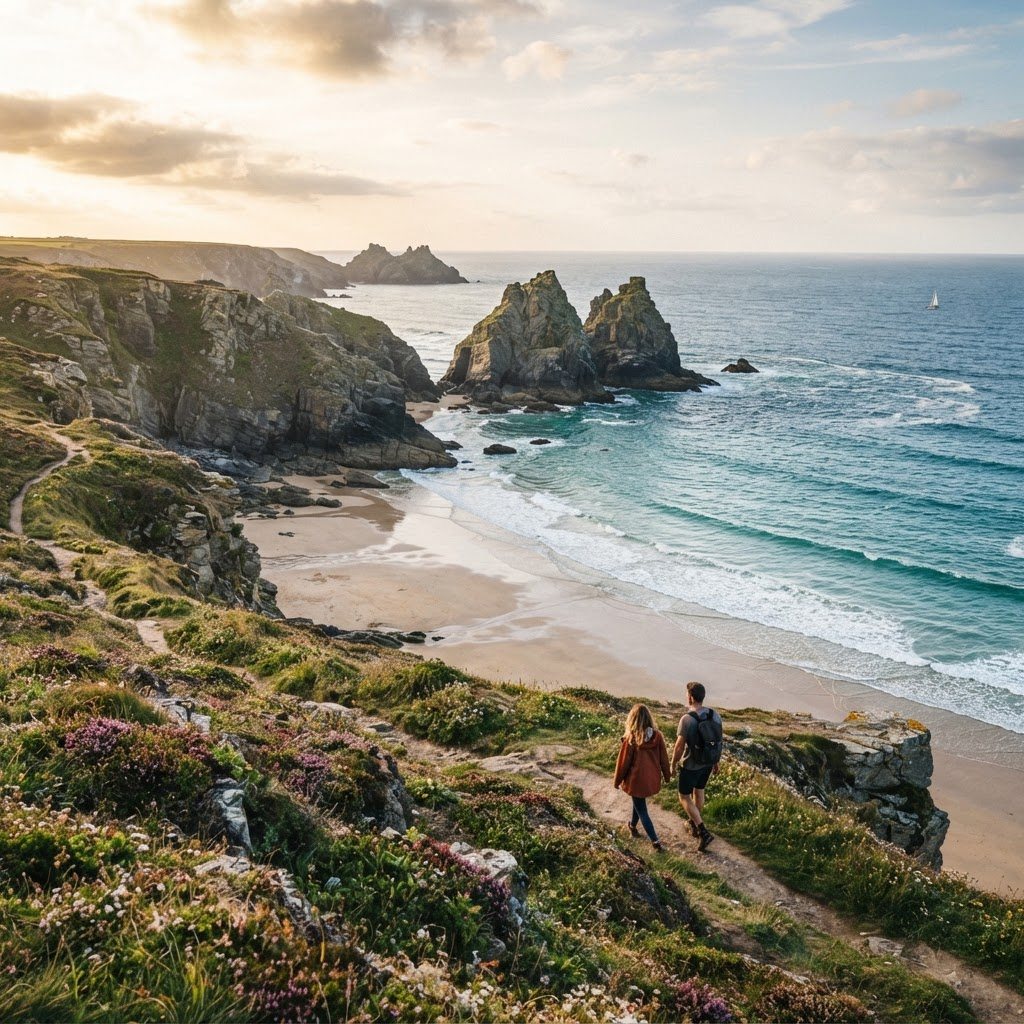
There is a specific feeling you get the moment you cross the border into Cornwall. It is a subtle shift in the light, a change in the air that smells faintly of wild gorse and deep ocean salt, and a sudden, irresistible urge to turn off your phone. I have traveled to many beaches across the globe, but there is something about the Cornish coast that keeps pulling me back like a magnetic force. It is not just the beauty; it is the sheer, untamed spirit of the place. My love affair with Cornwall started years ago on a rainy Tuesday in St Ives. Even under a heavy, charcoal sky, the turquoise hue of the water was electric. I sat in a tiny harbor café, nursing a steaming mug of tea and watching the fishing boats bob rhythmically against the stone pier, and I knew I was hooked. Since then, I have spent countless weekends chasing sunsets across the jagged cliffs of the North Coast and losing track of time in the hidden coves of the South. One of the best parts about Cornwall is that it feels like a collection of different worlds. You can start your morning at Watergate Bay, where the Atlantic rollers crash against miles of golden sand, perfect for long, contemplative walks. By the afternoon, you can be wandering through the sub-tropical, lush gardens of the Helford River, where the water is as still as a mirror and the silence is only broken by the occasional call of a curlew. If you are planning your own escape, do yourself a favor and venture beyond the usual hotspots. Yes, Padstow is fantastic for food—and you absolutely must grab a pasty from a local bakery, just mind the seagulls—but the magic often hides in the tiny, nameless turn-offs. My favorite local secret is a small, rocky inlet near Porthcurno. If you go at low tide, you can scramble over the granite rocks to find a stretch of sand that feels entirely your own. It is the kind of place where you can actually hear yourself think, a rare commodity in our noisy, digital lives. Then there is the food. The Cornish are rightly proud of their produce. Whether it is a fresh crab sandwich eaten on the harbor wall, or a decadent cream tea where the debate over cream-first versus jam-first never truly ends, the flavors here are vibrant and honest. I always make a point to stop at a roadside farm shop for a bag of new potatoes; there is something about that rich, coastal soil that makes them taste like sunshine. People often ask me if Cornwall is crowded, especially in the summer. My advice? Embrace the off-season. Autumn in Cornwall is pure gold. The crowds have thinned, the light takes on a warm, honeyed quality, and the local pubs feel infinitely cozier with a roaring log fire and a pint of local ale. There is no right way to do Cornwall, but the best way is to let the coast dictate your pace. Put the map away, follow the narrow lanes lined with high hedges, and see where you end up. You might get lost, but in Cornwall, getting lost is usually how you find the best parts.